The Rise of Low-Code / No-Code Platforms
The idea of building a successful application was once tightly coupled with deep programming expertise. Writing code, managing infrastructure, and handling deployment pipelines were considered essential skills. But today, that assumption is being challenged.
Low-code and no-code platforms are redefining who can build software. The real question is no longer “Can non-developers build apps?”, but it is “How far can they go?”
The Shift: From Developers to Creators
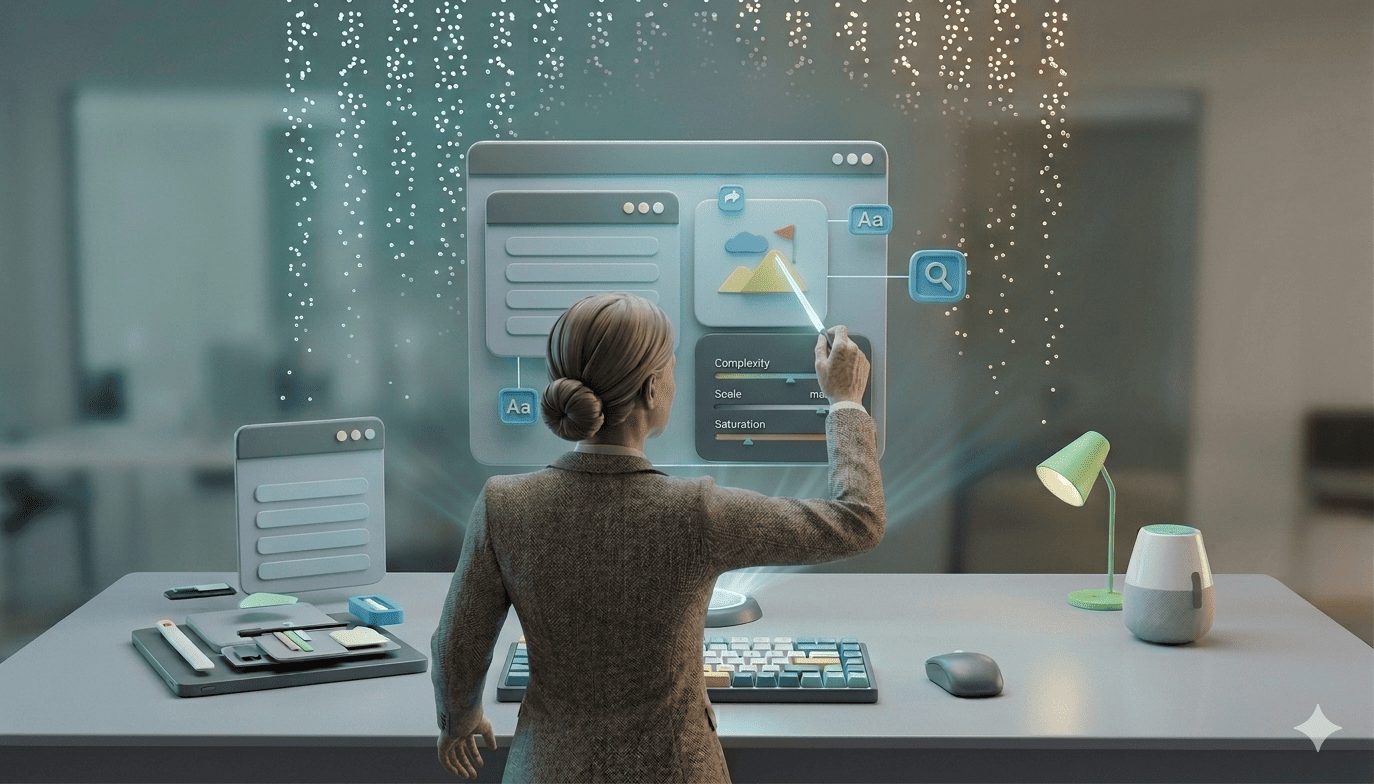
Modern platforms like Bubble, Webflow, Airtable, and Microsoft Power Apps are enabling users to build applications through visual interfaces instead of traditional coding. Drag-and-drop components, workflow automation, and pre-built integrations have lowered the barrier to entry dramatically.
This shift mirrors a broader transformation happening in technology. As AI is moving from passive tools to active systems capable of planning and executing tasks, software development itself is becoming more abstracted. The focus is moving away from writing code to designing systems and workflows.
For non-developers, this means they can now: Build MVPs without engineering teams, automate business processes, launch SaaS products with minimal technical knowledge and can iterate quickly based on user feedback.
In many ways, they are becoming product builders rather than programmers.
Why This Matters Now
1. Speed Over Perfection
Traditional development cycles can take months. Low-code platforms compress this timeline into days or weeks. For startups and entrepreneurs, speed is often more valuable than perfection.
A founder with a clear idea can now validate it without waiting for developers. This reduces dependency and accelerates innovation.
2. Democratization of Innovation
Low-code/no-code tools are doing for software what platforms like WordPress did for websites: Making creation accessible to everyone.
Domain experts (marketers, operations managers, consultants) can now build solutions tailored to their problems without translating requirements to a development team. This reduces miscommunication and increases efficiency.
3. Cost Reduction
Building software traditionally involves hiring developers, DevOps engineers, and designers. Low-code platforms significantly reduce these costs.
This is similar to how standardization in modern architectures reduces hidden integration costs in enterprise systems. By providing reusable components and pre-built logic, low-code platforms eliminate the need to reinvent common functionalities.
What Non-Developers Can Actually Build
Let’s move beyond theory and look at practical possibilities.
These are not just prototypes. Many are production-grade systems used by real businesses.
Where They Excel
Low-code platforms are particularly strong in:
They shine when the problem is well-defined and does not require complex system-level logic.
The Limitations You Can’t Ignore
While the promise is strong, it is not without constraints.
1. Scalability Challenges
Low-code platforms abstract infrastructure, which is great for simplicity but limiting for scale. High-performance systems, real-time processing, or heavy workloads often require custom architecture.
2. Limited Customization
Pre-built components speed up development but restrict flexibility. When your application needs highly custom logic, you may hit platform limitations.
3. Vendor Lock-In
Most no-code platforms operate within closed ecosystems. Migrating away can be difficult, especially as your application grows.
4. Governance and Security
As applications grow in complexity, concerns around data security, compliance, and governance become critical. Just like AI systems require structured governance layers for safe scaling, low-code applications also need proper controls when used in enterprise environments.
The Hybrid Future: Builders + Developers
The most realistic future is not non-developers replacing developers, but a collaborative model.
This hybrid approach is already visible in modern teams where product managers, designers, and operations teams actively contribute to building systems.
So, Can Non-Developers Build the Next Big App?
Yes, but with context.
Non-developers can absolutely validate ideas, build functional products, launch startups and solve real-world problems. However, scaling that “next big app” to millions of users, handling complex systems, and ensuring reliability will still require engineering expertise.
Final Thoughts
Low-code and no-code platforms are not replacing developers, but they are expanding the builder ecosystem.
They allow more people to participate in innovation, reduce friction in idea execution, and accelerate product development. But the fundamentals of software like architecture, scalability, and reliability still matter.
The next big app might very well start with a non-developer. But to truly succeed at scale, it will likely evolve into a system where simplicity meets engineering discipline.